New

10 Simple Ways to Strengthen Sentence Writing

Free Download ->

10 Simple Ways to Strengthen Sentence Writing

Free Download ->

Give Students the Sentence Skills That Make Everything Else Possible

Strong writing starts with strong sentences. When students practice forming complex sentences, they're doing more than learning grammar—they're building the thinking patterns that sophisticated writers use. Each sentence they construct reinforces the content they're learning in science, social studies, and history while strengthening their ability to connect ideas, express relationships, and communicate with precision. But let's be honest: with everything on your plate, finding time to design meaningful sentence-level prompts day after day just isn't realistic. You need activities that are research-based, engaging, and ready to go—so your students can build the foundation that makes everything else possible.

Give Students the Sentence Skills That Make Everything Else Possible

Strong writing starts with strong sentences. When students practice forming complex sentences, they're doing more than learning grammar—they're building the thinking patterns that sophisticated writers use. Each sentence they construct reinforces the content they're learning in science, social studies, and history while strengthening their ability to connect ideas, express relationships, and communicate with precision. But let's be honest: with everything on your plate, finding time to design meaningful sentence-level prompts day after day just isn't realistic. You need activities that are research-based, engaging, and ready to go—so your students can build the foundation that makes everything else possible.

Give Students the Sentence Skills That Make Everything Else Possible

Strong writing starts with strong sentences. When students practice forming complex sentences, they're doing more than learning grammar—they're building the thinking patterns that sophisticated writers use. Each sentence they construct reinforces the content they're learning in science, social studies, and history while strengthening their ability to connect ideas, express relationships, and communicate with precision. But let's be honest: with everything on your plate, finding time to design meaningful sentence-level prompts day after day just isn't realistic. You need activities that are research-based, engaging, and ready to go—so your students can build the foundation that makes everything else possible.

Just released!

Each volume of Teaching Complex Sentence Writing Using Children’s Books offers ready-to-use prompts and sample responses tied to high-quality children’s books, blending reading comprehension with purposeful writing practice. The activities fit naturally within your regular ELA block—no extra prep required.

Simply choose a prompt that supports your goals and watch your students write with growing clarity, precision, and confidence.

Each children’s book (sold separately) features about a dozen sentence-writing activities that strengthen comprehension, expand vocabulary, and help students craft more complex, thoughtful sentences.

The titles included within each book have been selected for their alignment with grade-level topics and standards, making them a perfect fit for classrooms or homeschool settings.

The foundation your students need. The simplicity you deserve.

Just released!

Each volume of Teaching Complex Sentence Writing Using Children’s Books offers ready-to-use prompts and sample responses tied to high-quality children’s books, blending reading comprehension with purposeful writing practice. The activities fit naturally within your regular ELA block—no extra prep required.

Simply choose a prompt that supports your goals and watch your students write with growing clarity, precision, and confidence.

Each children’s book (sold separately) features about a dozen sentence-writing activities that strengthen comprehension, expand vocabulary, and help students craft more complex, thoughtful sentences.

The titles included within each book have been selected for their alignment with grade-level topics and standards, making them a perfect fit for classrooms or homeschool settings.

The foundation your students need. The simplicity you deserve.

Just released!

Each volume of Teaching Complex Sentence Writing Using Children’s Books offers ready-to-use prompts and sample responses tied to high-quality children’s books, blending reading comprehension with purposeful writing practice. The activities fit naturally within your regular ELA block—no extra prep required.

Simply choose a prompt that supports your goals and watch your students write with growing clarity, precision, and confidence.

Each children’s book (sold separately) features about a dozen sentence-writing activities that strengthen comprehension, expand vocabulary, and help students craft more complex, thoughtful sentences.

The titles included within each book have been selected for their alignment with grade-level topics and standards, making them a perfect fit for classrooms or homeschool settings.

The foundation your students need. The simplicity you deserve.

Here's What You Can Expect

Grades 1 & 2 Collection

Building a Love of Literacy
Volume 1 The Joy of Reading

When students write about characters who treasure books and learning, they're building vocabulary about persistence, curiosity, and the power of literacy while strengthening their understanding of complete sentences and how ideas connect. Through read-alouds like Abe Lincoln: The Boy Who Loved Books by Kay Winters, The Librarian of Basra by Jeanette Winter, and Thank You, Mr. Falker by Patricia Polacco, students practice activities like converting fragments into complete sentences, combining short choppy sentences into longer flowing ones, and elaborating sentences by adding details about when, where, how, and why events happen. This volume focuses on 19 beloved titles like Library Lion by Michelle Knudsen, Tomás and the Library Lady by Pat Mora, and The Oldest Student by Rita Lorraine Hubbard, all organized into no-prep activities that fit seamlessly into your existing literacy block.

Exploring the Natural World
Volume 2 Curious Creatures

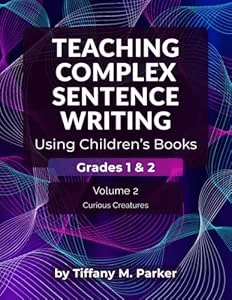
Students love learning about unusual animals, and when they write sentences describing these creatures' adaptations and behaviors, they're developing both science vocabulary and the ability to express cause-and-effect relationships, comparisons, and complex thinking. Through read-alouds like What Do You Do With a Tail Like This? by Steve Jenkins and Robin Page, Gentle Giant Octopus by Karen Wallace, and Bat Loves the Night by Nicola Davies, students identify complete and incomplete sentences, generate questions and statements, and use contractions that push them to explain why animals behave certain ways or how their features help them survive. This volume is organized around 17 engaging titles, including Chameleons are Cool by Martin Jenkins, Sea Horse: The Shyest Fish in the Sea by Chris Butterworth, and Big Blue Whale by Nicola Davies—that easily integrate into your science and literacy instruction with no additional planning required.

Understanding the Power of Wind and Resilience
Volume 3 Storms and Strength

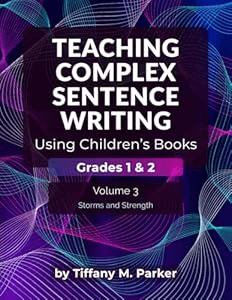
When students write about weather phenomena and characters facing challenges, they're building vocabulary about natural forces and perseverance while learning to express how one thing leads to another in their writing. Through read-alouds like Snowflake Bentley by Jacqueline Briggs Martin, The Boy Who Harnessed the Wind by William Kamkwamba and Bryan Mealer, and Hurricanes! by Gail Gibbons, students practice incorporating dependent clauses that explain when and why events occur and elaborating sentences to show how weather and challenges impact people's lives. This volume features ready-to-use activities around 14 compelling titles including Brave Irene by William Steig, Come On, Rain! by Karen Hesse, and Katy and the Big Snow by Virginia Lee Burton.

Discovering Cultural Connections
Volume 4 Cinderella Stories Around the World

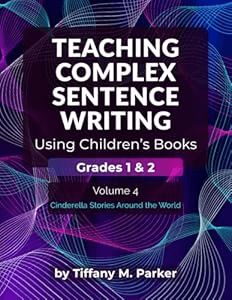
When students read different versions of the same story from around the world, they’re learning vocabulary about traditions and settings while practicing how to compare and contrast in their writing. Through read-alouds like Mufaro's Beautiful Daughters by John Steptoe, The Rough-Face Girl by Rafe Martin, and Cendrillon: A Caribbean Cinderella by Robert San Souci, students practice identifying sentence types, combining related ideas into single sentences, and using contractions to highlight how story elements differ across versions. This volume features 16 retellings of the beloved Cinderella story, including The Korean Cinderella by Shirley Climo, Adelita: A Mexican Cinderella Story by Tomie dePaola, and Smoky Mountain Rose by Alan Schroeder—all with ready-to-use activities that integrate seamlessly into your literacy and social studies instruction with no additional planning required.

Complete Grades 1 & 2 Sentence Writing Resource
Grades 1 & 2 Compilation Volume

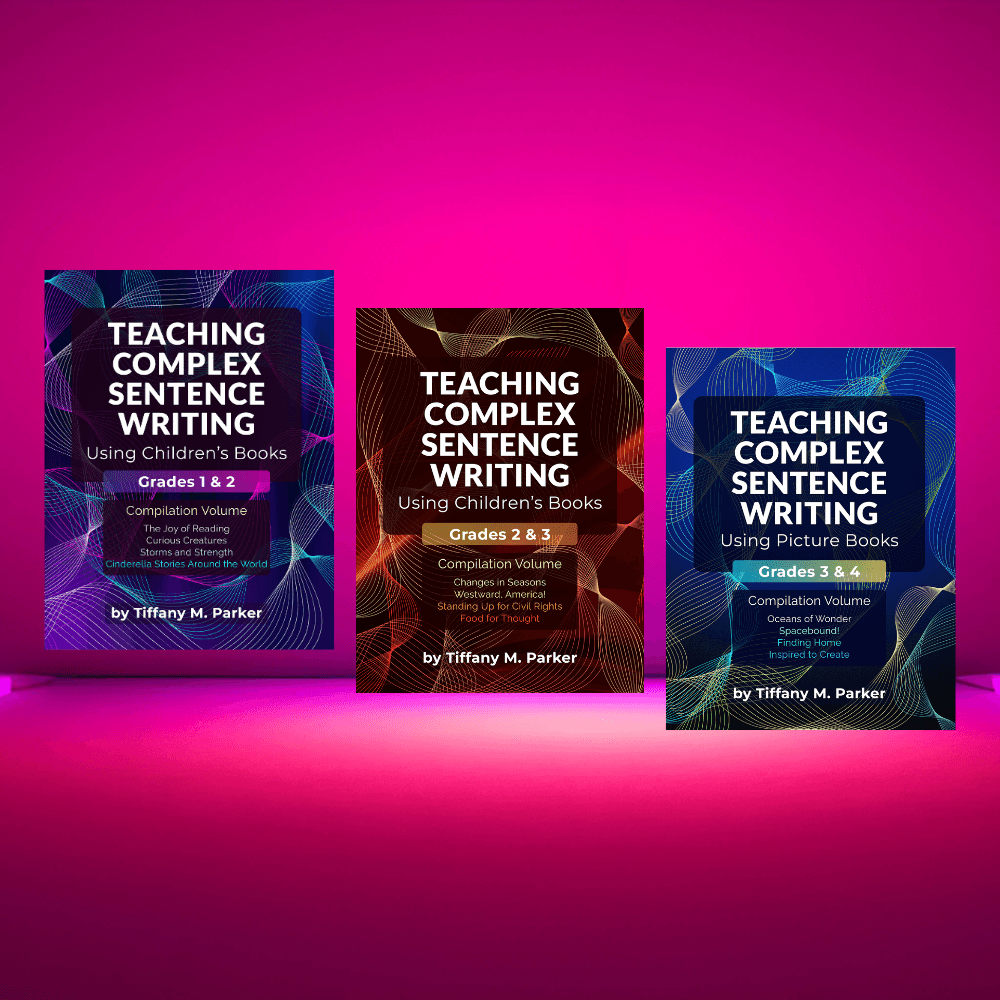
All four themed volumes—The Joy of Reading, Curious Creatures, Storms and Strength, and Cinderella Stories Around the World—are combined into this one comprehensive resource. With hundreds of ready-to-use activities tied to 66 beloved children's books, students build sentence writing skills while exploring themes that span literacy, science, resilience, and cultural understanding. Through activities like Explore Sentence Types, Combine Sentences, Sentence Elaboration, and Because/But/So Statements, students develop the ability to write complete, varied, and detailed sentences that genuinely reflect their comprehension. This compilation is the most economical option and provides everything you need for the entire school year in one convenient book. It's particularly helpful for teachers using Wit & Wisdom® by Great Minds®, as many texts align directly with the Core Texts and Volumes of Reading for first grade, making it easy to integrate meaningful sentence writing practice into your existing curriculum with no additional prep.

Grades 2 & 3 Collection

Observing Natural Patterns
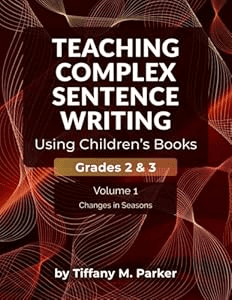
Volume 1 Changes in Seasons

When students write about the rhythms and changes that occur throughout the year, they're building vocabulary about natural cycles, Earth's tilt, and seasonal changes—while learning to show how events unfold over time and connect cause to effect. Through read-alouds like The Reasons for Seasons by Gail Gibbons, Frog and Toad All Year by Arnold Lobel, and The Longest Day: Celebrating the Summer Solstice by Wendy Pfeffer, students practice activities like unscrambling mixed-up sentences to build syntax awareness, writing cause-and-effect statements that deepen their understanding of change, and incorporating dependent clauses that explain when and how seasonal transformations occur. This volume includes activities for15 engaging titles like Over and Under the Snow by Kate Messner, Why Do Leaves Change Color? by Betsy Maestro, and Henry and Mudge in the Sparkle Days by Cynthia Rylant and integrate seamlessly into your science and literacy instruction.

Understanding America’s Expansion
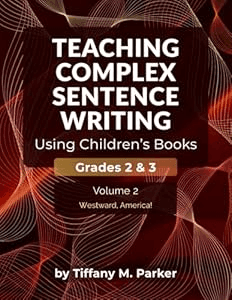
Volume 2 Westward, America!

When students write about pioneers, cowboys, and the westward movement, they're building vocabulary about exploration, determination, and the complex history of American expansion while learning to construct detailed sentences that clearly describe their thinking. Through read-alouds like Locomotive by Brian Floca, How We Crossed the West by Rosalyn Schanzer, and Sacajawea: Her True Story by Joyce Milton, students practice sentence elaboration that adds when, where, how, and why details, sentence conversion activities that teach them to rearrange and restructure ideas, and adding appositives to clarify meaning and build historical vocabulary. This volume features activities for 17 compelling titles including John Henry by Julius Lester, Johnny Appleseed by Steven Kellogg, and The Trail of Tears by Joseph Bruchac.

Exploring Justice and Equality
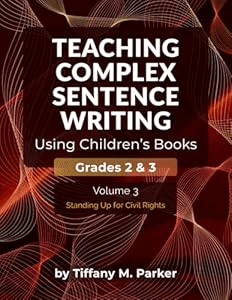
Volume 3 Standing Up for Civil Rights

When students write about civil rights leaders and movements, they're building vocabulary about courage, justice, and equality while learning to express big ideas about social change and why these moments matter in history. Through read-alouds like Martin's Big Words by Doreen Rappaport, The Story of Ruby Bridges by Robert Coles, and Separate Is Never Equal by Duncan Tonatiuh, students practice combining related sentences to eliminate repetition and create more polished writing, using Because/But/So Statements that push them to analyze why change was necessary and how leaders fought for justice, and incorporating dependent clauses that show the relationships between events and outcomes. This volume includes activities for 18 powerful titles like Let the Children March by Monica Clark-Robinson, Henry's Freedom Box by Ellen Levine, and Heart on Fire: Susan B. Anthony Votes for President by Ann Malaspina.

Connecting Food, Nutrition, and Science
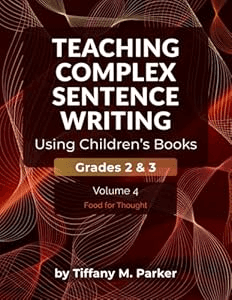
Volume 4 Food for Thought

When students write about where food comes from and how their bodies use it, they're building vocabulary about agriculture, nutrition, and how the body works—while learning to explain step-by-step processes and cause-and-effect relationships. Through read-alouds like From Farm to Table by Pat Brisson, Good Enough to Eat by Lizzy Rockwell, and The Quest to Digest by Mary Corcoran, students practice sentence conversion activities that teach them to rearrange and restructure ideas, sentence elaboration that helps them describe the journey of food from farm to table to digestion, and cause-and-effect statements that deepen their understanding of nutrition and body systems. This volume features 17 engaging titles including How Did That Get in My Lunchbox? by Chris Butterworth, The Vegetables We Eat by Gail Gibbons, and beloved stories like Stone Soup by Marcia Brown and Thunder Cake by Patricia Polacco—all with ready-to-use activities that connect to your science and health instruction with no additional planning required.

Complete Second and Third Grade Sentence Writing Resource
Grades 2 & 3 Compilation Volume

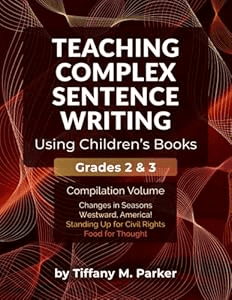
This compilation combines all four themed volumes—Changes in Seasons, Westward, America!, Standing Up for Civil Rights, and Food for Thought—into one comprehensive resource. With hundreds of ready-to-use activities for 67 high-quality children's books, students build sentence writing skills while exploring themes that span science, history, civil rights, and health. Through activities like Sentence Combining, Add an Appositive, Sentence Elaboration, Cause-and-Effect Statements, Incorporating Dependent Clauses, and Because/But/So Statements, students will learn to write clear, varied, and detailed sentences that show they truly understand the text and can think critically about it. This compilation is the most economical option and provides everything you need for the entire school year in one convenient book. It's particularly valuable for teachers using Wit & Wisdom by Great Minds, as many texts align directly with the Core Texts and Volumes of Reading for second grade, making it easy to integrate meaningful sentence writing practice into your existing curriculum with zero prep time.

Grades 3 & 4 Collection

Discovering Marine Life and Ocean Science
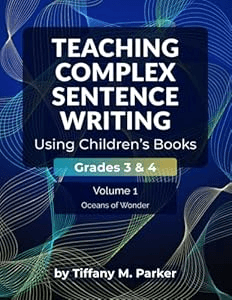
Volume 1 Oceans of Wonder

When students write about ocean ecosystems and marine explorers, they're building vocabulary about biodiversity, ocean zones, and scientific exploration—while learning to explain how ocean creatures interact with their environment. Through read-alouds like Ocean Sunlight by Molly Bang and Penny Chisholm, The Fantastic Undersea Life of Jacques Cousteau by Dan Yaccarino, and Giant Squid by Candace Fleming, students practice sentence elaboration that adds layers of detail about marine habitats and adaptations, sentence combining that creates polished descriptions of underwater phenomena, and Because/But/So Statements that push them to analyze how ocean creatures survive and why conservation matters. This volume features activities for 15 captivating titles including Shark Lady by Jess Keating, Life in the Ocean: The Story of Oceanographer Sylvia Earle by Claire Nivola, and Down, Down, Down: A Journey to the Bottom of the Seaby Steve Jenkins—that all integrate seamlessly into your science and literacy instruction with no additional planning required.

Exploring Space and Lunar History
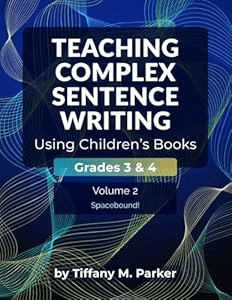
Volume 2 Spacebound!

When students write about space exploration and our solar system, they're building vocabulary about astronomy, celestial bodies, and historic achievements—while learning to explain events in order and describe scientific ideas with precision. Through read-alouds like Moonshot: The Flight of Apollo 11 by Brian Floca, If You Decide to Go to the Moon by Faith McNulty, and Starry Messenger: Galileo Galilei by Peter Sis, students practice incorporating dependent clauses that explain when and how space missions unfolded, adding appositives to clarify scientific terms, and sentence conversion activities that teach them to restructure complex ideas about planetary motion and space travel. This volume features activities for 16 inspiring titles like Reaching for the Moon by Buzz Aldrin, The Planets by Gail Gibbons, and Find the Constellations by H.A. Rey.

Understanding Immigration and Cultural Identity
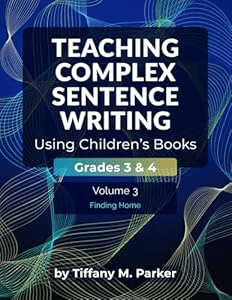
Volume 3 Finding Home

When students write about immigration experiences and cultural traditions, they're building vocabulary about journeys, belonging, and heritage while learning to express the emotional complexity of leaving one's homeland and adapting to a new country. Through read-alouds like Grandfather's Journey by Allen Say, The Memory Coat by Elvira Woodruff, and Four Feet, Two Sandals by Karen Lynn Williams and Khadra Mohammed, students practice sentence elaboration that captures the challenges and hopes immigrants faced, cause-and-effect statements that deepen understanding of why families left their homelands and how they preserved their cultures, and combining sentences to create more sophisticated descriptions of cultural identity. This volume features no-prep activities for 17 powerful titles including The Great Migration: An American Story by Jacob Lawrence, Paper Son: Lee's Journey to America by Helen Foster James, and In the Year of the Boar and Jackie Robinson by Bette Lord.

Celebrating Artists and Creative Vision
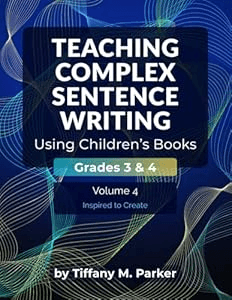
Volume 4 Inspired to Create

When students write about artists, musicians, and dancers, they're building vocabulary about creativity, artistic movements, and the dedication required to pursue one's vision while learning to express how artists transformed their ideas into masterpieces. Through read-alouds like The Noisy Paint Box by Barb Rosenstock, José! Born to Dance by Susanna Reich, and When Marian Sang by Pam Muñoz Ryan, students practice adding appositives that identify artistic styles and time periods, incorporating dependent clauses that explain how artists developed their techniques and why their work was revolutionary, and because/but/so statements that push them to analyze what inspired these creators and how they overcame obstacles. This volume focuses on 24 inspiring titles like Michelangelo by Diane Stanley, The Music in George's Head by Suzanne Slade, and Electric Ben: The Amazing Life and Times of Benjamin Franklin by Robert Byrd—all organized into no-prep activities that connect to your art, music, and history instruction with no additional planning required.

Complete Third and Fourth Grade Sentence Writing Resource
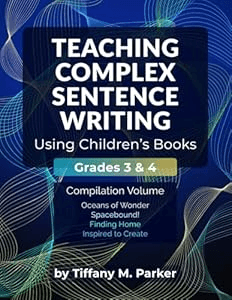
Grades 3 & 4 Compilation Volume

This compilation combines all four themed volumes—Oceans of Wonder, Spacebound!, Finding Home, and Inspired to Create—into one comprehensive resource. With hundreds of ready-to-use activities for 72 exceptional children's books, students build sentence writing skills while exploring themes that span marine science, space exploration, immigration history, and artistic achievement. Through activities like Sentence Combining, Add an Appositive, Sentence Elaboration, Cause-and-Effect statements, Incorporating Dependent Clauses, Because/But/So Statements, and One-Sentence Summaries, students will learn how to write sophisticated, detailed sentences that demonstrate deep comprehension and analytical thinking. This compilation is the most economical option and provides everything you need for the entire school year in one convenient book. It's particularly valuable for teachers using Wit & Wisdom by Great Minds, as many texts align directly with the Core Texts and Volumes of Reading for third grade, making it easy to integrate meaningful sentence writing practice across your science, social studies, and arts curriculum with zero prep time.

Here's What You Can Expect

Grades 1 & 2 Collection

Building a Love of Literacy
Volume 1 The Joy of Reading

When students write about characters who treasure books and learning, they're building vocabulary about persistence, curiosity, and the power of literacy while strengthening their understanding of complete sentences and how ideas connect. Through read-alouds like Abe Lincoln: The Boy Who Loved Books by Kay Winters, The Librarian of Basra by Jeanette Winter, and Thank You, Mr. Falker by Patricia Polacco, students practice activities like converting fragments into complete sentences, combining short choppy sentences into longer flowing ones, and elaborating sentences by adding details about when, where, how, and why events happen. This volume focuses on 19 beloved titles like Library Lion by Michelle Knudsen, Tomás and the Library Lady by Pat Mora, and The Oldest Student by Rita Lorraine Hubbard, all organized into no-prep activities that fit seamlessly into your existing literacy block.

Exploring the Natural World
Volume 2 Curious Creatures

Students love learning about unusual animals, and when they write sentences describing these creatures' adaptations and behaviors, they're developing both science vocabulary and the ability to express cause-and-effect relationships, comparisons, and complex thinking. Through read-alouds like What Do You Do With a Tail Like This? by Steve Jenkins and Robin Page, Gentle Giant Octopus by Karen Wallace, and Bat Loves the Night by Nicola Davies, students identify complete and incomplete sentences, generate questions and statements, and use contractions that push them to explain why animals behave certain ways or how their features help them survive. This volume is organized around 17 engaging titles, including Chameleons are Cool by Martin Jenkins, Sea Horse: The Shyest Fish in the Sea by Chris Butterworth, and Big Blue Whale by Nicola Davies—that easily integrate into your science and literacy instruction with no additional planning required.

Understanding the Power of Wind and Resilience
Volume 3 Storms and Strength

When students write about weather phenomena and characters facing challenges, they're building vocabulary about natural forces and perseverance while learning to express how one thing leads to another in their writing. Through read-alouds like Snowflake Bentley by Jacqueline Briggs Martin, The Boy Who Harnessed the Wind by William Kamkwamba and Bryan Mealer, and Hurricanes! by Gail Gibbons, students practice incorporating dependent clauses that explain when and why events occur and elaborating sentences to show how weather and challenges impact people's lives. This volume features ready-to-use activities around 14 compelling titles including Brave Irene by William Steig, Come On, Rain! by Karen Hesse, and Katy and the Big Snow by Virginia Lee Burton.

Discovering Cultural Connections
Volume 4 Cinderella Stories Around the World

When students read different versions of the same story from around the world, they’re learning vocabulary about traditions and settings while practicing how to compare and contrast in their writing. Through read-alouds like Mufaro's Beautiful Daughters by John Steptoe, The Rough-Face Girl by Rafe Martin, and Cendrillon: A Caribbean Cinderella by Robert San Souci, students practice identifying sentence types, combining related ideas into single sentences, and using contractions to highlight how story elements differ across versions. This volume features 16 retellings of the beloved Cinderella story, including The Korean Cinderella by Shirley Climo, Adelita: A Mexican Cinderella Story by Tomie dePaola, and Smoky Mountain Rose by Alan Schroeder—all with ready-to-use activities that integrate seamlessly into your literacy and social studies instruction with no additional planning required.

Complete Grades 1 & 2 Sentence Writing Resource
Grades 1 & 2 Compilation Volume

All four themed volumes—The Joy of Reading, Curious Creatures, Storms and Strength, and Cinderella Stories Around the World—are combined into this one comprehensive resource. With hundreds of ready-to-use activities tied to 66 beloved children's books, students build sentence writing skills while exploring themes that span literacy, science, resilience, and cultural understanding. Through activities like Explore Sentence Types, Combine Sentences, Sentence Elaboration, and Because/But/So Statements, students develop the ability to write complete, varied, and detailed sentences that genuinely reflect their comprehension. This compilation is the most economical option and provides everything you need for the entire school year in one convenient book. It's particularly helpful for teachers using Wit & Wisdom® by Great Minds®, as many texts align directly with the Core Texts and Volumes of Reading for first grade, making it easy to integrate meaningful sentence writing practice into your existing curriculum with no additional prep.

Grades 2 & 3 Collection

Observing Natural Patterns
Volume 1 Changes in Seasons

When students write about the rhythms and changes that occur throughout the year, they're building vocabulary about natural cycles, Earth's tilt, and seasonal changes—while learning to show how events unfold over time and connect cause to effect. Through read-alouds like The Reasons for Seasons by Gail Gibbons, Frog and Toad All Year by Arnold Lobel, and The Longest Day: Celebrating the Summer Solstice by Wendy Pfeffer, students practice activities like unscrambling mixed-up sentences to build syntax awareness, writing cause-and-effect statements that deepen their understanding of change, and incorporating dependent clauses that explain when and how seasonal transformations occur. This volume includes activities for15 engaging titles like Over and Under the Snow by Kate Messner, Why Do Leaves Change Color? by Betsy Maestro, and Henry and Mudge in the Sparkle Days by Cynthia Rylant and integrate seamlessly into your science and literacy instruction.

Understanding America’s Expansion
Volume 2 Westward, America!

When students write about pioneers, cowboys, and the westward movement, they're building vocabulary about exploration, determination, and the complex history of American expansion while learning to construct detailed sentences that clearly describe their thinking. Through read-alouds like Locomotive by Brian Floca, How We Crossed the West by Rosalyn Schanzer, and Sacajawea: Her True Story by Joyce Milton, students practice sentence elaboration that adds when, where, how, and why details, sentence conversion activities that teach them to rearrange and restructure ideas, and adding appositives to clarify meaning and build historical vocabulary. This volume features activities for 17 compelling titles including John Henry by Julius Lester, Johnny Appleseed by Steven Kellogg, and The Trail of Tears by Joseph Bruchac.

Exploring Justice and Equality
Volume 3 Standing Up for Civil Rights

When students write about civil rights leaders and movements, they're building vocabulary about courage, justice, and equality while learning to express big ideas about social change and why these moments matter in history. Through read-alouds like Martin's Big Words by Doreen Rappaport, The Story of Ruby Bridges by Robert Coles, and Separate Is Never Equal by Duncan Tonatiuh, students practice combining related sentences to eliminate repetition and create more polished writing, using Because/But/So Statements that push them to analyze why change was necessary and how leaders fought for justice, and incorporating dependent clauses that show the relationships between events and outcomes. This volume includes activities for 18 powerful titles like Let the Children March by Monica Clark-Robinson, Henry's Freedom Box by Ellen Levine, and Heart on Fire: Susan B. Anthony Votes for President by Ann Malaspina.

Connecting Food, Nutrition, and Science
Volume 4 Food for Thought

When students write about where food comes from and how their bodies use it, they're building vocabulary about agriculture, nutrition, and how the body works—while learning to explain step-by-step processes and cause-and-effect relationships. Through read-alouds like From Farm to Table by Pat Brisson, Good Enough to Eat by Lizzy Rockwell, and The Quest to Digest by Mary Corcoran, students practice sentence conversion activities that teach them to rearrange and restructure ideas, sentence elaboration that helps them describe the journey of food from farm to table to digestion, and cause-and-effect statements that deepen their understanding of nutrition and body systems. This volume features 17 engaging titles including How Did That Get in My Lunchbox? by Chris Butterworth, The Vegetables We Eat by Gail Gibbons, and beloved stories like Stone Soup by Marcia Brown and Thunder Cake by Patricia Polacco—all with ready-to-use activities that connect to your science and health instruction with no additional planning required.

Complete Second and Third Grade Sentence Writing Resource
Grades 2 & 3 Compilation Volume

This compilation combines all four themed volumes—Changes in Seasons, Westward, America!, Standing Up for Civil Rights, and Food for Thought—into one comprehensive resource. With hundreds of ready-to-use activities for 67 high-quality children's books, students build sentence writing skills while exploring themes that span science, history, civil rights, and health. Through activities like Sentence Combining, Add an Appositive, Sentence Elaboration, Cause-and-Effect Statements, Incorporating Dependent Clauses, and Because/But/So Statements, students will learn to write clear, varied, and detailed sentences that show they truly understand the text and can think critically about it. This compilation is the most economical option and provides everything you need for the entire school year in one convenient book. It's particularly valuable for teachers using Wit & Wisdom by Great Minds, as many texts align directly with the Core Texts and Volumes of Reading for second grade, making it easy to integrate meaningful sentence writing practice into your existing curriculum with zero prep time.

Grades 3 & 4 Collection

Discovering Marine Life and Ocean Science
Volume 1 Oceans of Wonder

When students write about ocean ecosystems and marine explorers, they're building vocabulary about biodiversity, ocean zones, and scientific exploration—while learning to explain how ocean creatures interact with their environment. Through read-alouds like Ocean Sunlight by Molly Bang and Penny Chisholm, The Fantastic Undersea Life of Jacques Cousteau by Dan Yaccarino, and Giant Squid by Candace Fleming, students practice sentence elaboration that adds layers of detail about marine habitats and adaptations, sentence combining that creates polished descriptions of underwater phenomena, and Because/But/So Statements that push them to analyze how ocean creatures survive and why conservation matters. This volume features activities for 15 captivating titles including Shark Lady by Jess Keating, Life in the Ocean: The Story of Oceanographer Sylvia Earle by Claire Nivola, and Down, Down, Down: A Journey to the Bottom of the Seaby Steve Jenkins—that all integrate seamlessly into your science and literacy instruction with no additional planning required.

Exploring Space and Lunar History
Volume 2 Spacebound!

When students write about space exploration and our solar system, they're building vocabulary about astronomy, celestial bodies, and historic achievements—while learning to explain events in order and describe scientific ideas with precision. Through read-alouds like Moonshot: The Flight of Apollo 11 by Brian Floca, If You Decide to Go to the Moon by Faith McNulty, and Starry Messenger: Galileo Galilei by Peter Sis, students practice incorporating dependent clauses that explain when and how space missions unfolded, adding appositives to clarify scientific terms, and sentence conversion activities that teach them to restructure complex ideas about planetary motion and space travel. This volume features activities for 16 inspiring titles like Reaching for the Moon by Buzz Aldrin, The Planets by Gail Gibbons, and Find the Constellations by H.A. Rey.

Understanding Immigration and Cultural Identity
Volume 3 Finding Home

When students write about immigration experiences and cultural traditions, they're building vocabulary about journeys, belonging, and heritage while learning to express the emotional complexity of leaving one's homeland and adapting to a new country. Through read-alouds like Grandfather's Journey by Allen Say, The Memory Coat by Elvira Woodruff, and Four Feet, Two Sandals by Karen Lynn Williams and Khadra Mohammed, students practice sentence elaboration that captures the challenges and hopes immigrants faced, cause-and-effect statements that deepen understanding of why families left their homelands and how they preserved their cultures, and combining sentences to create more sophisticated descriptions of cultural identity. This volume features no-prep activities for 17 powerful titles including The Great Migration: An American Story by Jacob Lawrence, Paper Son: Lee's Journey to America by Helen Foster James, and In the Year of the Boar and Jackie Robinson by Bette Lord.

Celebrating Artists and Creative Vision
Volume 4 Inspired to Create

When students write about artists, musicians, and dancers, they're building vocabulary about creativity, artistic movements, and the dedication required to pursue one's vision while learning to express how artists transformed their ideas into masterpieces. Through read-alouds like The Noisy Paint Box by Barb Rosenstock, José! Born to Dance by Susanna Reich, and When Marian Sang by Pam Muñoz Ryan, students practice adding appositives that identify artistic styles and time periods, incorporating dependent clauses that explain how artists developed their techniques and why their work was revolutionary, and because/but/so statements that push them to analyze what inspired these creators and how they overcame obstacles. This volume focuses on 24 inspiring titles like Michelangelo by Diane Stanley, The Music in George's Head by Suzanne Slade, and Electric Ben: The Amazing Life and Times of Benjamin Franklin by Robert Byrd—all organized into no-prep activities that connect to your art, music, and history instruction with no additional planning required.

Complete Third and Fourth Grade Sentence Writing Resource
Grades 3 & 4 Compilation Volume

This compilation combines all four themed volumes—Oceans of Wonder, Spacebound!, Finding Home, and Inspired to Create—into one comprehensive resource. With hundreds of ready-to-use activities for 72 exceptional children's books, students build sentence writing skills while exploring themes that span marine science, space exploration, immigration history, and artistic achievement. Through activities like Sentence Combining, Add an Appositive, Sentence Elaboration, Cause-and-Effect statements, Incorporating Dependent Clauses, Because/But/So Statements, and One-Sentence Summaries, students will learn how to write sophisticated, detailed sentences that demonstrate deep comprehension and analytical thinking. This compilation is the most economical option and provides everything you need for the entire school year in one convenient book. It's particularly valuable for teachers using Wit & Wisdom by Great Minds, as many texts align directly with the Core Texts and Volumes of Reading for third grade, making it easy to integrate meaningful sentence writing practice across your science, social studies, and arts curriculum with zero prep time.

Here's What You Can Expect

Grades 1 & 2 Collection

Building a Love of Literacy
Volume 1 The Joy of Reading

When students write about characters who treasure books and learning, they're building vocabulary about persistence, curiosity, and the power of literacy while strengthening their understanding of complete sentences and how ideas connect. Through read-alouds like Abe Lincoln: The Boy Who Loved Books by Kay Winters, The Librarian of Basra by Jeanette Winter, and Thank You, Mr. Falker by Patricia Polacco, students practice activities like converting fragments into complete sentences, combining short choppy sentences into longer flowing ones, and elaborating sentences by adding details about when, where, how, and why events happen. This volume focuses on 19 beloved titles like Library Lion by Michelle Knudsen, Tomás and the Library Lady by Pat Mora, and The Oldest Student by Rita Lorraine Hubbard, all organized into no-prep activities that fit seamlessly into your existing literacy block.

Exploring the Natural World
Volume 2 Curious Creatures

Students love learning about unusual animals, and when they write sentences describing these creatures' adaptations and behaviors, they're developing both science vocabulary and the ability to express cause-and-effect relationships, comparisons, and complex thinking. Through read-alouds like What Do You Do With a Tail Like This? by Steve Jenkins and Robin Page, Gentle Giant Octopus by Karen Wallace, and Bat Loves the Night by Nicola Davies, students identify complete and incomplete sentences, generate questions and statements, and use contractions that push them to explain why animals behave certain ways or how their features help them survive. This volume is organized around 17 engaging titles, including Chameleons are Cool by Martin Jenkins, Sea Horse: The Shyest Fish in the Sea by Chris Butterworth, and Big Blue Whale by Nicola Davies—that easily integrate into your science and literacy instruction with no additional planning required.

Understanding the Power of Wind and Resilience
Volume 3 Storms and Strength

When students write about weather phenomena and characters facing challenges, they're building vocabulary about natural forces and perseverance while learning to express how one thing leads to another in their writing. Through read-alouds like Snowflake Bentley by Jacqueline Briggs Martin, The Boy Who Harnessed the Wind by William Kamkwamba and Bryan Mealer, and Hurricanes! by Gail Gibbons, students practice incorporating dependent clauses that explain when and why events occur and elaborating sentences to show how weather and challenges impact people's lives. This volume features ready-to-use activities around 14 compelling titles including Brave Irene by William Steig, Come On, Rain! by Karen Hesse, and Katy and the Big Snow by Virginia Lee Burton.

Discovering Cultural Connections
Volume 4 Cinderella Stories Around the World

When students read different versions of the same story from around the world, they’re learning vocabulary about traditions and settings while practicing how to compare and contrast in their writing. Through read-alouds like Mufaro's Beautiful Daughters by John Steptoe, The Rough-Face Girl by Rafe Martin, and Cendrillon: A Caribbean Cinderella by Robert San Souci, students practice identifying sentence types, combining related ideas into single sentences, and using contractions to highlight how story elements differ across versions. This volume features 16 retellings of the beloved Cinderella story, including The Korean Cinderella by Shirley Climo, Adelita: A Mexican Cinderella Story by Tomie dePaola, and Smoky Mountain Rose by Alan Schroeder—all with ready-to-use activities that integrate seamlessly into your literacy and social studies instruction with no additional planning required.

Complete Grades 1 & 2 Sentence Writing Resource
Grades 1 & 2 Compilation Volume

All four themed volumes—The Joy of Reading, Curious Creatures, Storms and Strength, and Cinderella Stories Around the World—are combined into this one comprehensive resource. With hundreds of ready-to-use activities tied to 66 beloved children's books, students build sentence writing skills while exploring themes that span literacy, science, resilience, and cultural understanding. Through activities like Explore Sentence Types, Combine Sentences, Sentence Elaboration, and Because/But/So Statements, students develop the ability to write complete, varied, and detailed sentences that genuinely reflect their comprehension. This compilation is the most economical option and provides everything you need for the entire school year in one convenient book. It's particularly helpful for teachers using Wit & Wisdom® by Great Minds®, as many texts align directly with the Core Texts and Volumes of Reading for first grade, making it easy to integrate meaningful sentence writing practice into your existing curriculum with no additional prep.

Grades 2 & 3 Collection

Observing Natural Patterns
Volume 1 Changes in Seasons

When students write about the rhythms and changes that occur throughout the year, they're building vocabulary about natural cycles, Earth's tilt, and seasonal changes—while learning to show how events unfold over time and connect cause to effect. Through read-alouds like The Reasons for Seasons by Gail Gibbons, Frog and Toad All Year by Arnold Lobel, and The Longest Day: Celebrating the Summer Solstice by Wendy Pfeffer, students practice activities like unscrambling mixed-up sentences to build syntax awareness, writing cause-and-effect statements that deepen their understanding of change, and incorporating dependent clauses that explain when and how seasonal transformations occur. This volume includes activities for15 engaging titles like Over and Under the Snow by Kate Messner, Why Do Leaves Change Color? by Betsy Maestro, and Henry and Mudge in the Sparkle Days by Cynthia Rylant and integrate seamlessly into your science and literacy instruction.

Understanding America’s Expansion
Volume 2 Westward, America!

When students write about pioneers, cowboys, and the westward movement, they're building vocabulary about exploration, determination, and the complex history of American expansion while learning to construct detailed sentences that clearly describe their thinking. Through read-alouds like Locomotive by Brian Floca, How We Crossed the West by Rosalyn Schanzer, and Sacajawea: Her True Story by Joyce Milton, students practice sentence elaboration that adds when, where, how, and why details, sentence conversion activities that teach them to rearrange and restructure ideas, and adding appositives to clarify meaning and build historical vocabulary. This volume features activities for 17 compelling titles including John Henry by Julius Lester, Johnny Appleseed by Steven Kellogg, and The Trail of Tears by Joseph Bruchac.

Exploring Justice and Equality
Volume 3 Standing Up for Civil Rights

When students write about civil rights leaders and movements, they're building vocabulary about courage, justice, and equality while learning to express big ideas about social change and why these moments matter in history. Through read-alouds like Martin's Big Words by Doreen Rappaport, The Story of Ruby Bridges by Robert Coles, and Separate Is Never Equal by Duncan Tonatiuh, students practice combining related sentences to eliminate repetition and create more polished writing, using Because/But/So Statements that push them to analyze why change was necessary and how leaders fought for justice, and incorporating dependent clauses that show the relationships between events and outcomes. This volume includes activities for 18 powerful titles like Let the Children March by Monica Clark-Robinson, Henry's Freedom Box by Ellen Levine, and Heart on Fire: Susan B. Anthony Votes for President by Ann Malaspina.

Connecting Food, Nutrition, and Science
Volume 4 Food for Thought

When students write about where food comes from and how their bodies use it, they're building vocabulary about agriculture, nutrition, and how the body works—while learning to explain step-by-step processes and cause-and-effect relationships. Through read-alouds like From Farm to Table by Pat Brisson, Good Enough to Eat by Lizzy Rockwell, and The Quest to Digest by Mary Corcoran, students practice sentence conversion activities that teach them to rearrange and restructure ideas, sentence elaboration that helps them describe the journey of food from farm to table to digestion, and cause-and-effect statements that deepen their understanding of nutrition and body systems. This volume features 17 engaging titles including How Did That Get in My Lunchbox? by Chris Butterworth, The Vegetables We Eat by Gail Gibbons, and beloved stories like Stone Soup by Marcia Brown and Thunder Cake by Patricia Polacco—all with ready-to-use activities that connect to your science and health instruction with no additional planning required.

Complete Second and Third Grade Sentence Writing Resource
Grades 2 & 3 Compilation Volume

This compilation combines all four themed volumes—Changes in Seasons, Westward, America!, Standing Up for Civil Rights, and Food for Thought—into one comprehensive resource. With hundreds of ready-to-use activities for 67 high-quality children's books, students build sentence writing skills while exploring themes that span science, history, civil rights, and health. Through activities like Sentence Combining, Add an Appositive, Sentence Elaboration, Cause-and-Effect Statements, Incorporating Dependent Clauses, and Because/But/So Statements, students will learn to write clear, varied, and detailed sentences that show they truly understand the text and can think critically about it. This compilation is the most economical option and provides everything you need for the entire school year in one convenient book. It's particularly valuable for teachers using Wit & Wisdom by Great Minds, as many texts align directly with the Core Texts and Volumes of Reading for second grade, making it easy to integrate meaningful sentence writing practice into your existing curriculum with zero prep time.

Grades 3 & 4 Collection

Discovering Marine Life and Ocean Science
Volume 1 Oceans of Wonder

When students write about ocean ecosystems and marine explorers, they're building vocabulary about biodiversity, ocean zones, and scientific exploration—while learning to explain how ocean creatures interact with their environment. Through read-alouds like Ocean Sunlight by Molly Bang and Penny Chisholm, The Fantastic Undersea Life of Jacques Cousteau by Dan Yaccarino, and Giant Squid by Candace Fleming, students practice sentence elaboration that adds layers of detail about marine habitats and adaptations, sentence combining that creates polished descriptions of underwater phenomena, and Because/But/So Statements that push them to analyze how ocean creatures survive and why conservation matters. This volume features activities for 15 captivating titles including Shark Lady by Jess Keating, Life in the Ocean: The Story of Oceanographer Sylvia Earle by Claire Nivola, and Down, Down, Down: A Journey to the Bottom of the Seaby Steve Jenkins—that all integrate seamlessly into your science and literacy instruction with no additional planning required.

Exploring Space and Lunar History
Volume 2 Spacebound!

When students write about space exploration and our solar system, they're building vocabulary about astronomy, celestial bodies, and historic achievements—while learning to explain events in order and describe scientific ideas with precision. Through read-alouds like Moonshot: The Flight of Apollo 11 by Brian Floca, If You Decide to Go to the Moon by Faith McNulty, and Starry Messenger: Galileo Galilei by Peter Sis, students practice incorporating dependent clauses that explain when and how space missions unfolded, adding appositives to clarify scientific terms, and sentence conversion activities that teach them to restructure complex ideas about planetary motion and space travel. This volume features activities for 16 inspiring titles like Reaching for the Moon by Buzz Aldrin, The Planets by Gail Gibbons, and Find the Constellations by H.A. Rey.

Understanding Immigration and Cultural Identity
Volume 3 Finding Home

When students write about immigration experiences and cultural traditions, they're building vocabulary about journeys, belonging, and heritage while learning to express the emotional complexity of leaving one's homeland and adapting to a new country. Through read-alouds like Grandfather's Journey by Allen Say, The Memory Coat by Elvira Woodruff, and Four Feet, Two Sandals by Karen Lynn Williams and Khadra Mohammed, students practice sentence elaboration that captures the challenges and hopes immigrants faced, cause-and-effect statements that deepen understanding of why families left their homelands and how they preserved their cultures, and combining sentences to create more sophisticated descriptions of cultural identity. This volume features no-prep activities for 17 powerful titles including The Great Migration: An American Story by Jacob Lawrence, Paper Son: Lee's Journey to America by Helen Foster James, and In the Year of the Boar and Jackie Robinson by Bette Lord.

Celebrating Artists and Creative Vision
Volume 4 Inspired to Create

When students write about artists, musicians, and dancers, they're building vocabulary about creativity, artistic movements, and the dedication required to pursue one's vision while learning to express how artists transformed their ideas into masterpieces. Through read-alouds like The Noisy Paint Box by Barb Rosenstock, José! Born to Dance by Susanna Reich, and When Marian Sang by Pam Muñoz Ryan, students practice adding appositives that identify artistic styles and time periods, incorporating dependent clauses that explain how artists developed their techniques and why their work was revolutionary, and because/but/so statements that push them to analyze what inspired these creators and how they overcame obstacles. This volume focuses on 24 inspiring titles like Michelangelo by Diane Stanley, The Music in George's Head by Suzanne Slade, and Electric Ben: The Amazing Life and Times of Benjamin Franklin by Robert Byrd—all organized into no-prep activities that connect to your art, music, and history instruction with no additional planning required.

Complete Third and Fourth Grade Sentence Writing Resource
Grades 3 & 4 Compilation Volume

This compilation combines all four themed volumes—Oceans of Wonder, Spacebound!, Finding Home, and Inspired to Create—into one comprehensive resource. With hundreds of ready-to-use activities for 72 exceptional children's books, students build sentence writing skills while exploring themes that span marine science, space exploration, immigration history, and artistic achievement. Through activities like Sentence Combining, Add an Appositive, Sentence Elaboration, Cause-and-Effect statements, Incorporating Dependent Clauses, Because/But/So Statements, and One-Sentence Summaries, students will learn how to write sophisticated, detailed sentences that demonstrate deep comprehension and analytical thinking. This compilation is the most economical option and provides everything you need for the entire school year in one convenient book. It's particularly valuable for teachers using Wit & Wisdom by Great Minds, as many texts align directly with the Core Texts and Volumes of Reading for third grade, making it easy to integrate meaningful sentence writing practice across your science, social studies, and arts curriculum with zero prep time.

Support for Teachers

Support for Teachers

Support for Teachers